The High Cost of Luxury: The Environmental Impact of New York’s Oceanfront Properties
The High Cost of Luxury: The Environmental Impact of New York’s Oceanfront Properties
Introduction
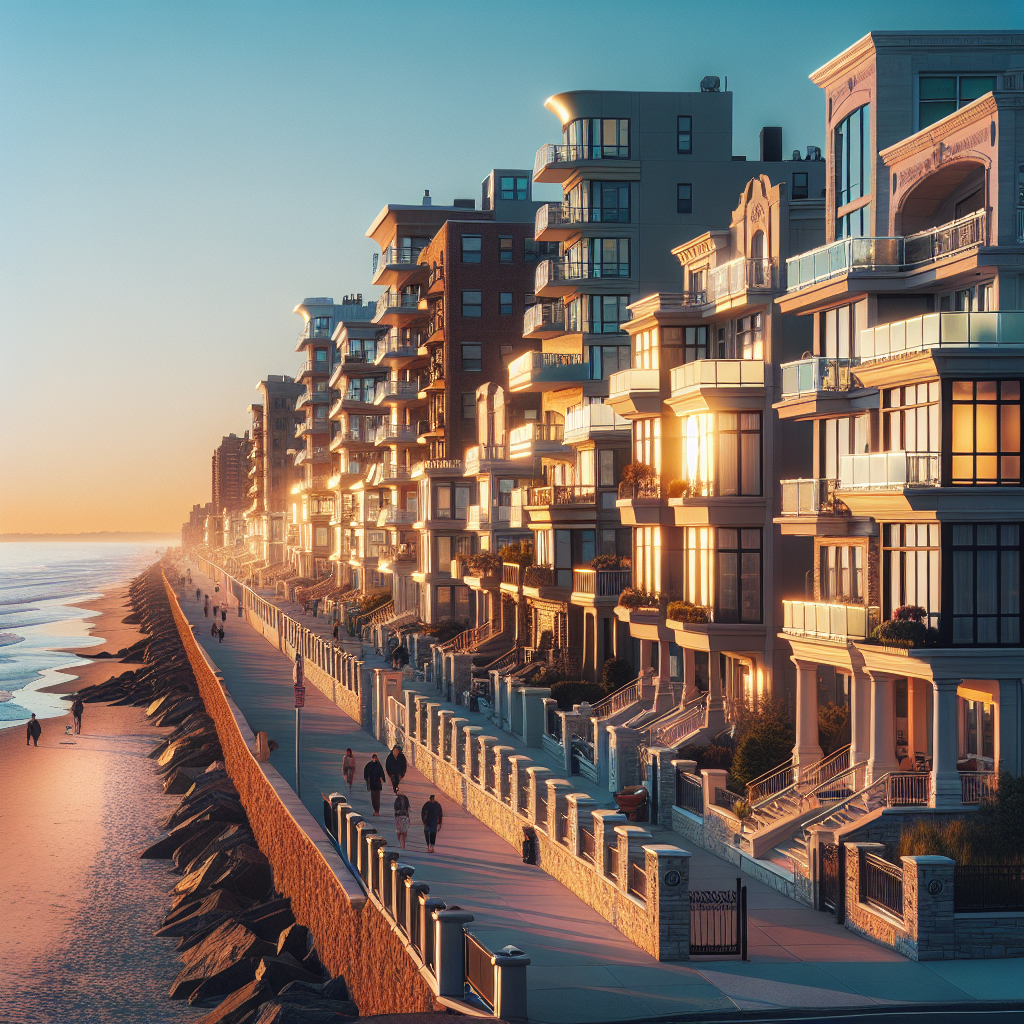
New York’s oceanfront properties are some of the most sought-after real estate in the world, with stunning views of the Atlantic Ocean and easy access to beaches and other recreational amenities. However, the high cost of luxury comes with a significant environmental impact that must be considered. In this article, we will explore the various ways in which oceanfront properties in New York are affecting the environment and the steps that can be taken to mitigate their impact.
Sea Level Rise and Erosion
One of the biggest environmental challenges facing oceanfront properties in New York is sea level rise and erosion. As the global climate continues to warm, sea levels are rising at an increasing rate, putting coastal properties at risk of flooding and erosion. In addition, the construction of seawalls and other barriers to protect these properties can further exacerbate erosion in neighboring areas.
To address these challenges, property owners can take steps to reduce their carbon footprint and adapt their properties to rising sea levels. This can include elevating structures, planting dune grasses to stabilize the shoreline, and using sustainable building materials that are resilient to flooding and erosion.
Loss of Biodiversity
The construction and development of oceanfront properties in New York can also lead to the loss of biodiversity in coastal ecosystems. Wetlands, dunes, and other natural habitats are often destroyed to make way for luxury homes and resorts, displacing native species and disrupting the coastal food chain.
To protect biodiversity, property owners can work with environmental experts to create natural buffer zones and conservation areas on their properties. This can help to preserve critical habitats for endangered species and maintain the ecological balance of the coastal ecosystem.
Pollution and Water Quality
Oceanfront properties in New York can also contribute to pollution and degraded water quality in the Atlantic Ocean. Runoff from lawns, driveways, and parking lots can carry pollutants such as pesticides, fertilizers, and oil into nearby waterways, harming marine life and affecting water quality.
To reduce pollution, property owners can implement sustainable landscaping practices, such as planting native plants that require less water and fertilizer, using permeable paving materials to reduce runoff, and installing rain gardens to capture and filter stormwater before it reaches the ocean.
Climate Change Impacts
As climate change continues to accelerate, oceanfront properties in New York are increasingly at risk of extreme weather events such as hurricanes, nor’easters, and flooding. These events can cause significant damage to coastal properties, infrastructure, and ecosystems, leading to costly repairs and disruptions to everyday life.
To mitigate the impacts of climate change, property owners can invest in resilient design and infrastructure, such as elevated foundations, stormwater management systems, and renewable energy sources. They can also work with local government agencies and community organizations to develop climate adaptation plans and emergency response strategies.
Conclusion
While oceanfront properties in New York offer unparalleled luxury and lifestyle amenities, they also come with a high cost to the environment. By taking proactive measures to reduce their environmental impact, property owners can help to preserve the natural beauty and resilience of the coastal ecosystem for future generations to enjoy. By working together to address the challenges of sea level rise, erosion, loss of biodiversity, pollution, and climate change, we can ensure that New York’s oceanfront properties remain a sustainable and desirable destination for years to come.