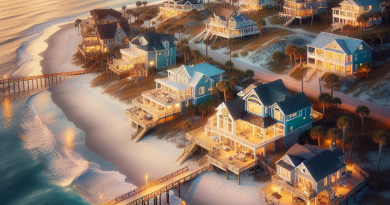
The Environmental Impacts of Carolina Oceanfront Properties: A Closer Look
The Environmental Impacts of Carolina Oceanfront Properties: A Closer Look
Carolina is known for its stunning oceanfront properties, with miles of sandy beaches and crystal clear waters. However, as the popularity of these properties continues to grow, so do the environmental impacts. From erosion and habitat destruction to pollution and beach replenishment, Carolina oceanfront properties have a significant effect on the delicate coastal ecosystem.
Erosion and Sea Level Rise
One of the most significant environmental impacts of Carolina oceanfront properties is erosion. As waves crash against the shoreline, they can erode the beach and undercut the dunes, leading to loss of valuable habitat for birds, turtles, and other wildlife. In addition, sea level rise caused by climate change is exacerbating the problem, as higher tides and storm surges further erode the coastline.
To combat erosion, many property owners in Carolina have built seawalls, revetments, and other shoreline hardening structures. While these measures may protect individual properties in the short term, they often have negative consequences for the surrounding environment. Shoreline hardening can disrupt natural sediment transport processes, leading to increased erosion down the coast. It can also prevent turtles and other wildlife from accessing nesting beaches, further impacting fragile ecosystems.
Habitat Destruction
Carolina oceanfront properties can also lead to habitat destruction, as development encroaches on sensitive coastal ecosystems. Beachfront construction can destroy dunes and tidal marshes, which provide critical habitat for many species of birds, fish, and other wildlife. In addition, lights from beachfront properties can disorient nesting sea turtles and hatchlings, leading to decreased nesting success.
To mitigate the impacts of habitat destruction, many Carolina communities have implemented strict zoning regulations and habitat protection measures. For example, some areas require setbacks from the shoreline to protect dunes and nesting beaches, while others have designated protected areas for wildlife conservation. These measures help to preserve the unique coastal ecosystems of Carolina and ensure that future generations can enjoy the natural beauty of the region.
Pollution
Another significant environmental impact of Carolina oceanfront properties is pollution. Runoff from developed areas can carry pollutants such as pesticides, fertilizers, and pet waste into the ocean, harming water quality and marine life. In addition, beachfront properties may contribute to litter and marine debris, which can endanger wildlife and spoil the beauty of the coastline.
To address pollution from oceanfront properties, many Carolina communities have implemented stormwater management programs and beach cleanup initiatives. These efforts help to reduce the amount of pollutants entering the ocean and protect the health of marine ecosystems. Property owners can also take steps to minimize their impact, such as using eco-friendly landscaping practices and properly disposing of waste.
Beach Replenishment
In response to erosion and sea level rise, many Carolina communities have undertaken beach replenishment projects to restore sand to eroded beaches. While beach replenishment can help protect oceanfront properties and provide recreational opportunities for residents and visitors, it can also have negative environmental impacts. Sand dredging can disrupt marine habitats and harm sensitive species, while the placement of large amounts of sand on the beach can alter natural coastal processes.
To minimize the environmental impacts of beach replenishment, it is important for communities to carefully plan and monitor these projects. By using sustainable sand sources, promoting dune restoration, and conducting post-project monitoring, Carolina can ensure that beach replenishment benefits both property owners and the environment.
Conclusion
Carolina oceanfront properties offer residents and visitors unparalleled access to the natural beauty of the coast. However, it is essential to recognize and address the environmental impacts of these properties in order to protect the delicate coastal ecosystem for future generations. By implementing sustainable development practices, protecting habitat and water quality, and supporting conservation efforts, Carolina can ensure that its oceanfront properties remain a source of pride and enjoyment for years to come.